The Biological Chernobyl: A biological weapon accident, the Sverdlovsk anthrax leak of 1979
- May 20, 2025
- 5 min read
Updated: Feb 16
No nation would be so stupid as to locate a biological warfare facility within an approachable distance from a major population center.
-Raymond Zilinskas, U.S. clinical microbiologist, in a 1980 report on the Sverdlovsk accident[i]

In November 1979 a Russian language in West Germany run by emigres reported that an explosion in a military facility had released a cloud of deadly bacteria and over a thousand people had died. Months later Soviet officials officially reported that a "natural outbreak of anthrax among domestic animals" had occurred in the Sverdlovsk region. Both sources were wrong but in very different ways. What had occurred was what some later described as 'The Biological Chernobyl' a leak of the incredibly deadly bacterium anthrax. It was a biological weapon accident in the Siberian city Sverdlovsk in 1979.
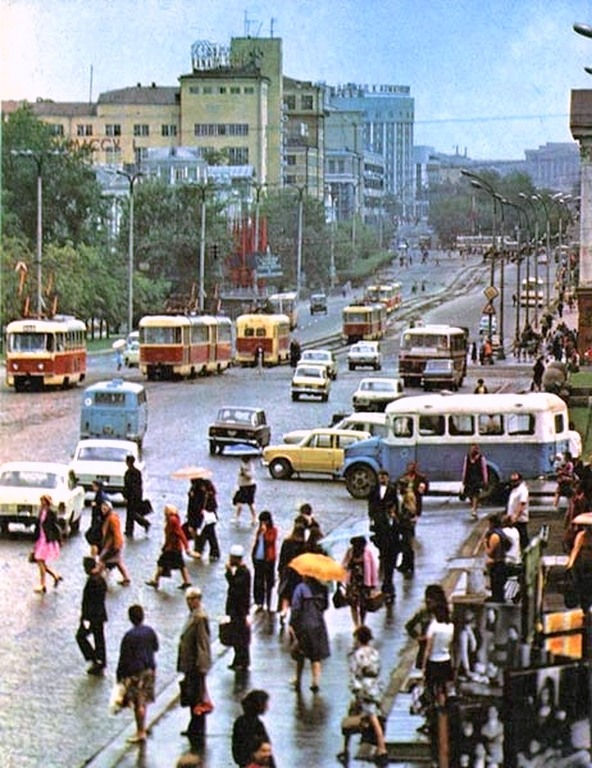
By the late 1970s the Soviet government had continued production of BW despite signing the 1975 BW convention, earlier that year an accident at a secret production facility came dangerously close to revealing the deception. Late March 1979 at 'Compound 19', the anthrax drying plant of the BW production in Sverdlovsk a technician rushed to get home.
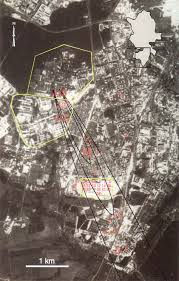
They had removed a synthetic fibre air filter from the exhaust system which stopped the microscopic anthrax spores escaping out of the facility. They left a note for the next production team; but they did not see it, instead the machines were started up again without the filter, blowing a plume of fine dust that was carried south by a slight wind. The tiny particles eventually settled south of Compound 19, over an adjacent military compound, a ceramics factory and a residential area of single-story houses- a matter of luck, if the plume had travelled gone north the casualties may have been in the thousands. [ii]
By the time workers discovered the missing filter several kilograms of powder had blown out into the evening air. Senior military on the base were alerted but no medical or defence officials were ever informed.
The Response
For several days there was little sign there had been a deadly accident. The first symptoms are benign and take several days: headache, cough, chills and a mild fever. Soon clinics began filled up with patients who had severe symptoms: high fever, breathing difficulties and vomiting. Head doctor of clinic N.24 Margarita Ilyenko recalls having to send patients onwards to other clinics. In several hours she received two calls from the clinic, two patients had died, then another three, the diagnosis was pneumonia. She began to worry that they were faced with an outbreak of a new disease. [iv]
Rumours already had begun to spread through the city. Buses did not stop in certain suburbs, taxis refused to make trips to surrounding villages and relatives of the deceased did not collect the bodies. All the while doctors worked day and night to try to save the patients giving them huge doses of drugs even trying to manually resuscitate the dying to no avail. Staff in one clinic decided to quarantine themselves and not return home, luckily, they never fell ill.
By the 6th day pathologist Faina Abramova had conducted several autopsies and come to one conclusion: anthrax. At a birthday party later that day she met her colleague Lev Grinberg and told him about the case, an oddity given the rarity of anthrax in a city. The next day as more patients died Grinberg realized they all suffered the same symptoms of anthrax poisoning to the lungs, the rarest form.
The Big Lie
As word of the anthrax diagnosis spread a 500-bed hospital was set up and a quarantine zone. High level officials from Moscow turned up first the Soviet defence minister then the chief epidemiologist. The diagnosis of inhalational anthrax was shut down and the weight of the state bureaucracy began to push a new narrative, the cause was an outbreak of contaminated meat. The autopsies reports and samples that Abramova and Grinberg had completed were seized and amended to read cause of death: Sepsis 002. Raisa Smirnova, 32-year-old worker who fell ill remembers before being discharged she was approached and asked to sign a non-disclosure agreement, later her doctor’s note read: Sepsis 002.[v]

As the propaganda machine spun into work tens of thousands of people were vaccinated, uninspected meat was confiscated and destroyed, wild animals and stray dogs were shot. Soon disinfection teams were washing washed down hospitals and suburbs with chlorine, firemen were scrubbing rooftops and bulldozers ripped up topsoil to replace with asphalt. This decontamination process caused even more deaths as the hardy spores that lay dormant were agitated into the air. The death toll is still contested, public records show 96 people falling ill and 64 dying, though evidence suggests it might be much higher. The military never released any record although rumors are that 200-300 may have died.
The reveal
As early as 1980 the CIA was suspicious of the official Soviet line. Evidence slowly began to build up that helped them piece together a timeline that indicated that the Soviets had reneged on the BW convention of 1975. Satellite images revealed vast decontamination efforts surrounding the secret compound which didn’t add up. Over the years there was a back and forth over the events and reports from émigré newspapers trickled out of a larger death toll and explosion at a BW facility.
It was not until the fall of the USSR that the true story was revealed. Peter Gumbel, a western journalist began to delve further into the records and found
“the official Soviet version... riddled with inconsistencies, half-truths and plain falsehoods"[vi].
The slaughterhouse that was claimed to have sold the tainted meat didn’t exist and a month after his article former officials began giving interviews that revealed it was an accident. Boris Yeltsin himself, the Sverdlovsk's Communist Party chief at the time and the one who had ordered the fateful decontamination partially to the coverup, recalling that the KGB had told him “our military development was the cause."[vii]
Yeltsin was no stranger to coverup, earlier he had carried out orders to demolish the Ipatiev house, the location of the execution of the Russian Royal family.
The final proof came from Abramova and Grinberg the pathologists who despite a KGB crackdown courageously hid proof, sometimes in plain sight. Some handwritten notes were kept in a wastebasket and organ samples were put on display at Grinberg’s clinic [viii]- other samples were kept in paraffin wax and they made carbon copies of autopsies reports.
They believe they may have been aided by a senior infectious disease expert sent from Moscow who privately encouraged them while publicly toeing the party line. [ix]
Ilyenko the head doctor also kept notes which she hid in a private notebook, and which suggests a larger death toll than is ever officially recorded, her entry for the 20th of April 1979, 3 weeks after the outbreak list:
"350 ill 45 died, 214 in Hosp. # 40” (#40 was the special hospital set up by the military).
The events in Sverdlovsk show that governments can cover up the truth effectively, the near 50 year silence on the deaths is only broken thanks to the perseverance of several doctors.
[i] https://www.nlm.nih.gov/nichsr/esmallpox/biohazard_alibek.pdf page 70
[ii] https://sputnikipogrom.com/weapons/12391/anthrax/
[iv] https://novayagazeta.ru/articles/2020/05/08/85303-marshal-yazva
[v] ibid
[vi] https://archive.org/details/plaguewarstruest00mang/page/80/mode/2up?q=sverdlovsk&view=theater
[vii] https://www.washingtonpost.com/archive/politics/1992/06/16/yeltsin-blames-79-anthrax-on-germ-warfare-efforts/fea56f2d-bf9e-4787-b6ec-86bf190f3ddb/
[viii] https://timesmachine.nytimes.com/timesmachine/1993/03/15/873893.html?pageNumber=6
[ix] https://www.washingtonpost.com/wp-srv/inatl/longterm/coldwar/biologicala.htm
[x] ibid


Comments